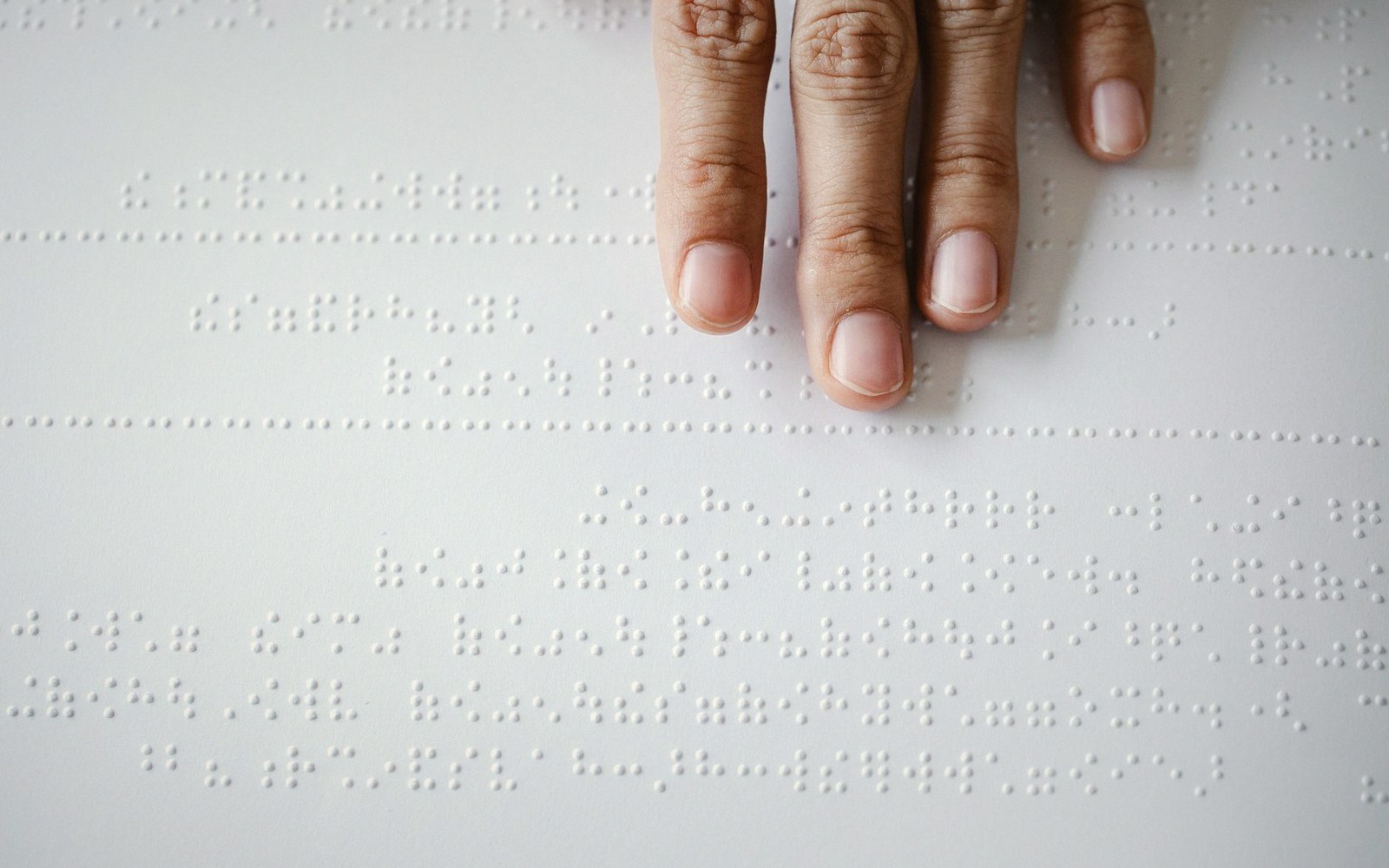
Reading by touch
Six positions. Sixty-four patterns. Everything after that is engineering.
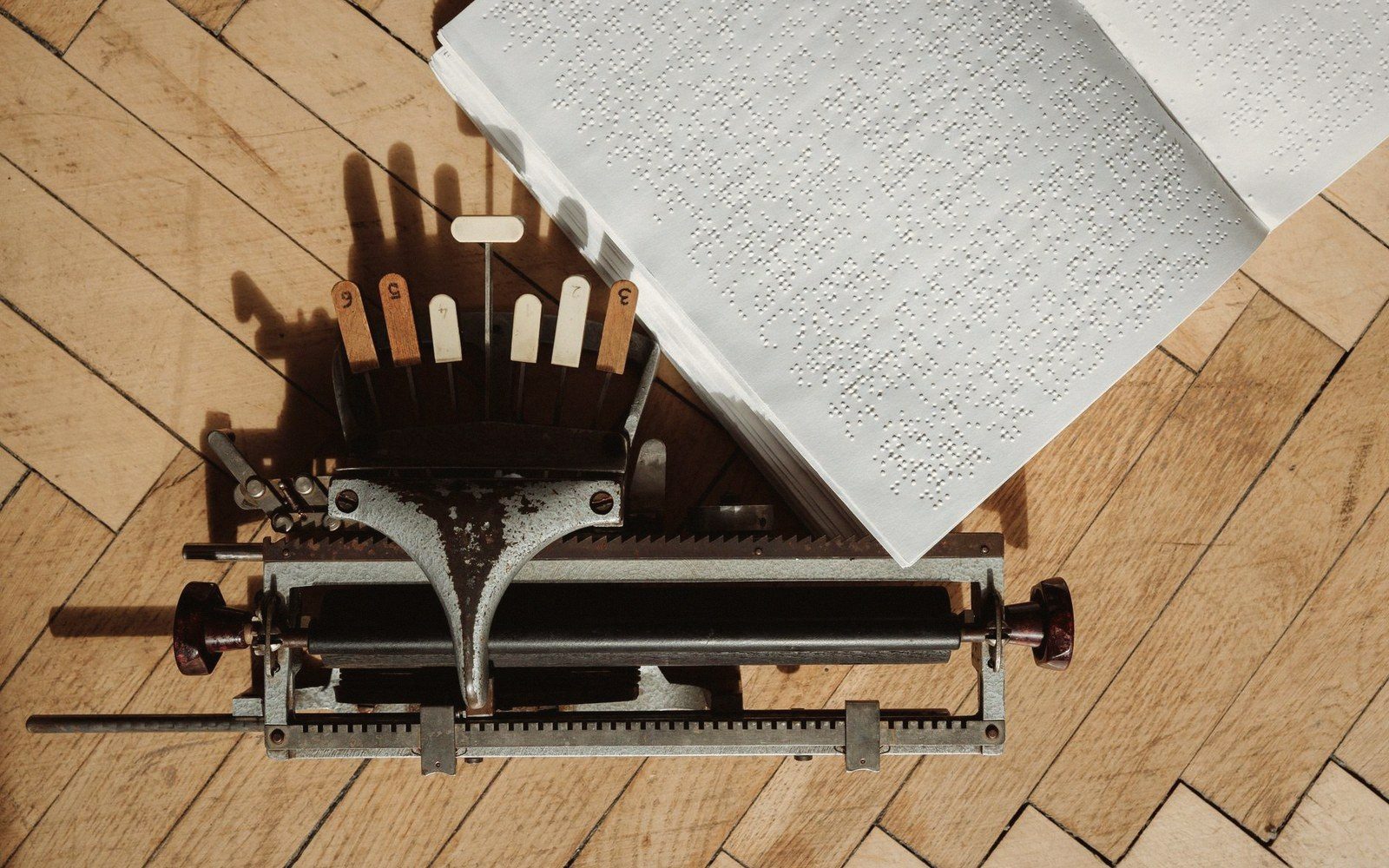
A braille dot stands about half a millimetre off the page and sits 2.34 mm from its neighbour. Those numbers, and the width of a fingertip, decide almost everything else: how much a page holds, why contractions exist, and how a machine has to be built to raise a dot and then take it away again.
Photo: Eren Li / Pexels
The navigation is the cell
Six positions
The Six Dots
The cell itself — its geometry, its origin, and what the six positions can and cannot encode.
6 guidesPosition 2Contractions
Contracted braille — why it exists, how it is structured, and where it breaks down.
6 guidesPosition 3Notation
Nemeth, music braille, and the engineering choices behind specialised codes.
5 guidesPosition 4The Machines
The hardware — mechanical, electromechanical and digital — that produces and displays braille.
6 guidesPosition 5Tactile Beyond Braille
Raised-line diagrams, tactile paving, floor-plan graphics — the tactile world that extends beyond the cell.
4 guidesPosition 6The Index
Every guide on the site in one list, reachable without a menu.
27 guides
The flagship · Tactile Beyond Braille
Reading Is a Tracking Problem Before It Is a Decoding Problem
Symbol recognition gets the attention. The harder job is knowing where you are on the page.
Where to start
Six pieces, one from most positions
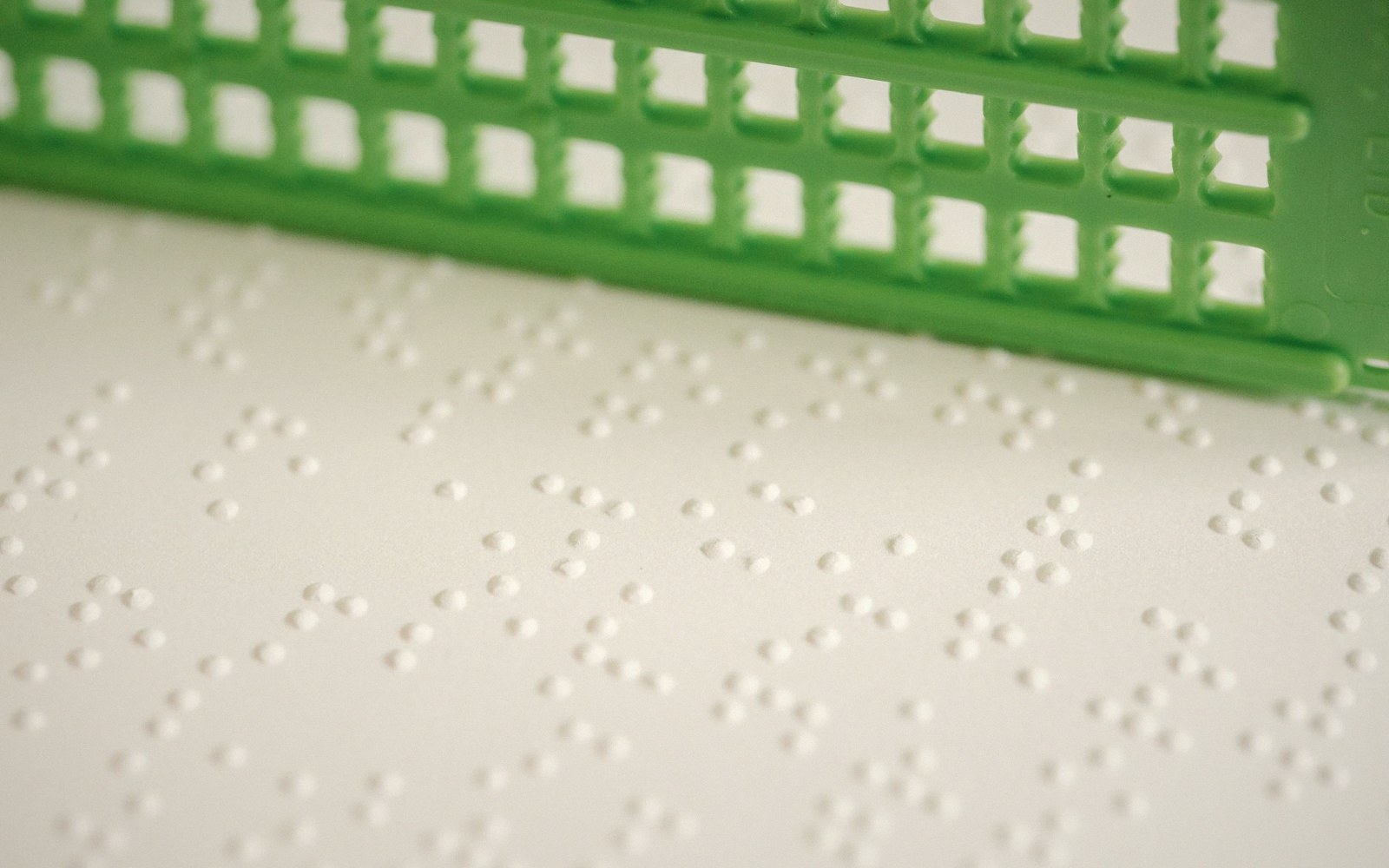
Six Positions. Sixty-Four Patterns.
Walks through the combinatorics of the six-dot cell — why 64 states exist, how they are distributed across the character set, and which positions…
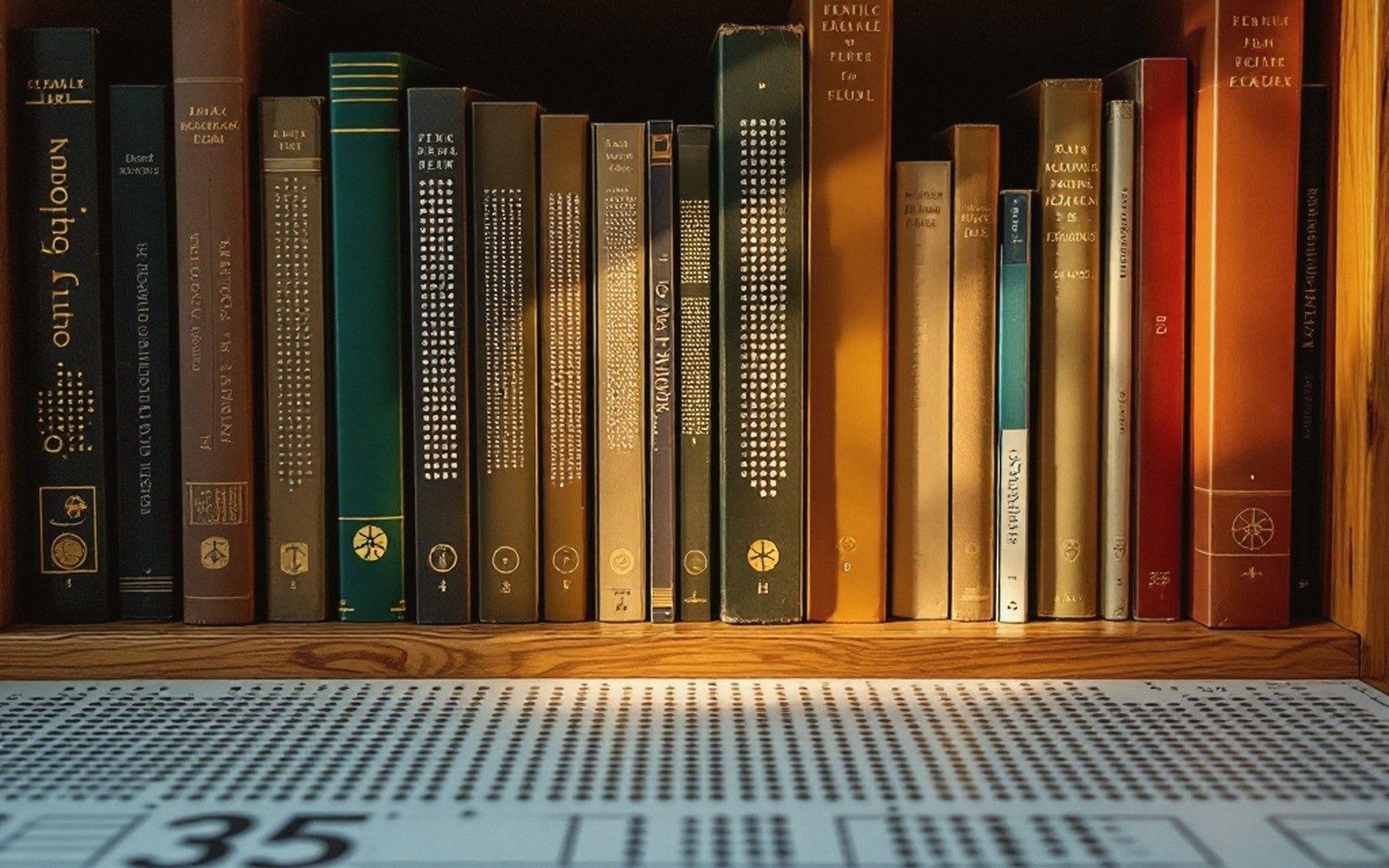
Why Contracted Braille Exists
Explains the primary driver — embossed paper is thick and braille books are large — and traces how the compression logic was formalised.
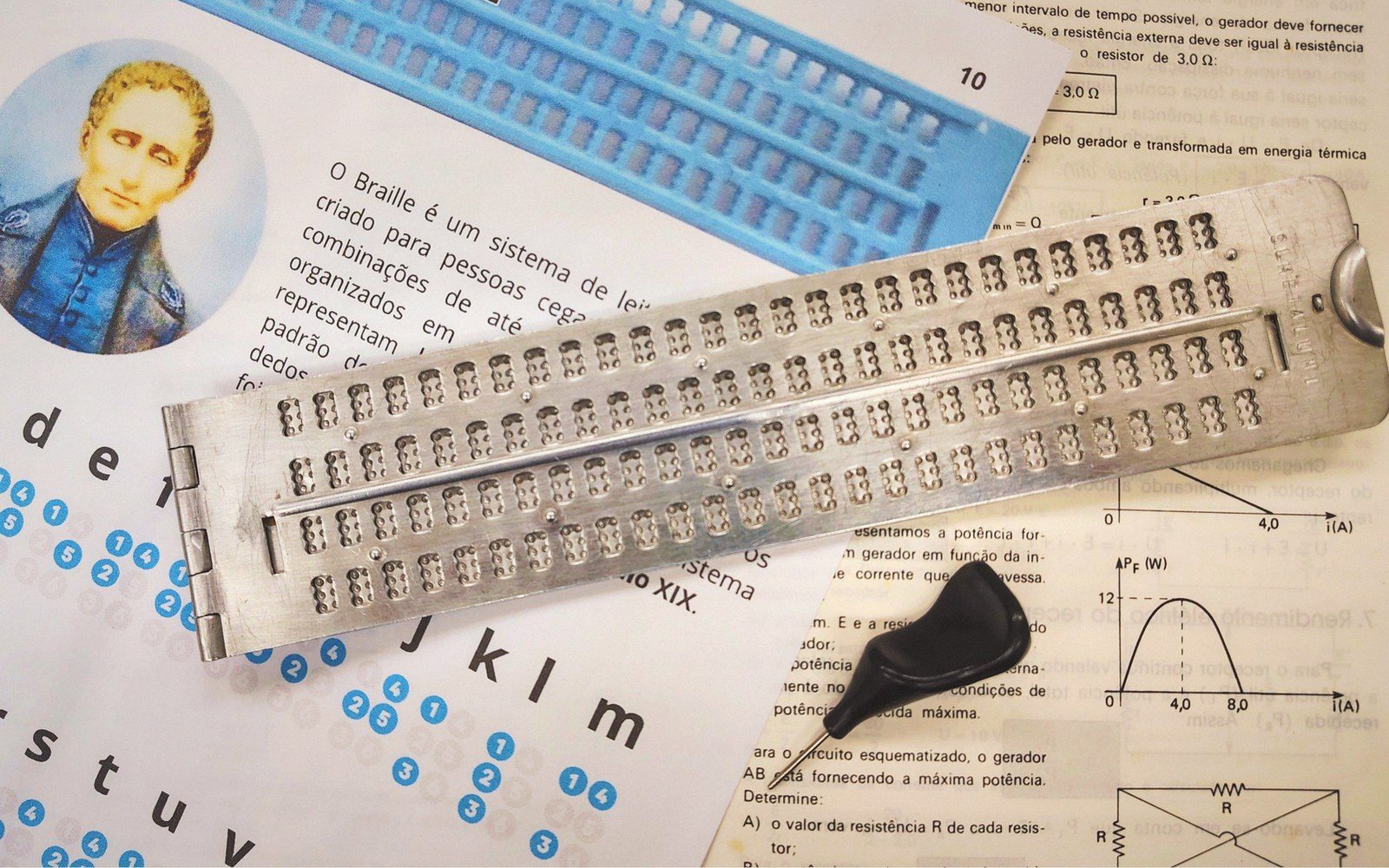
How a Piezo Cell Raises a Dot
Explains the piezoelectric actuator mechanism used in refreshable braille displays — bender disc, push-rod, pin geometry, actuation voltage…
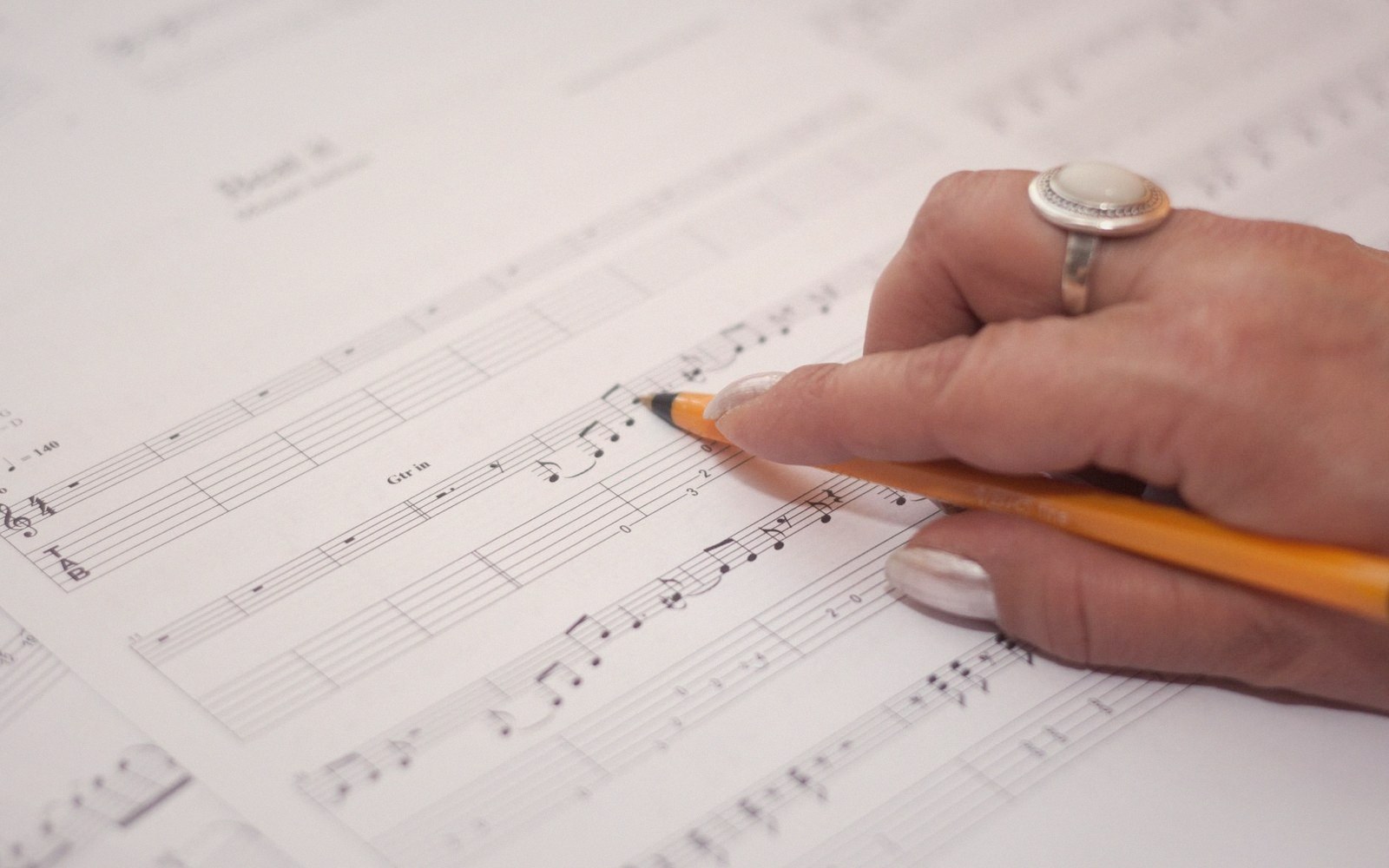
Music Braille Has No Staff
Describes how music braille encodes pitch, duration, dynamics and phrasing without any analogue of the five-line staff, and why bar-over-bar format…
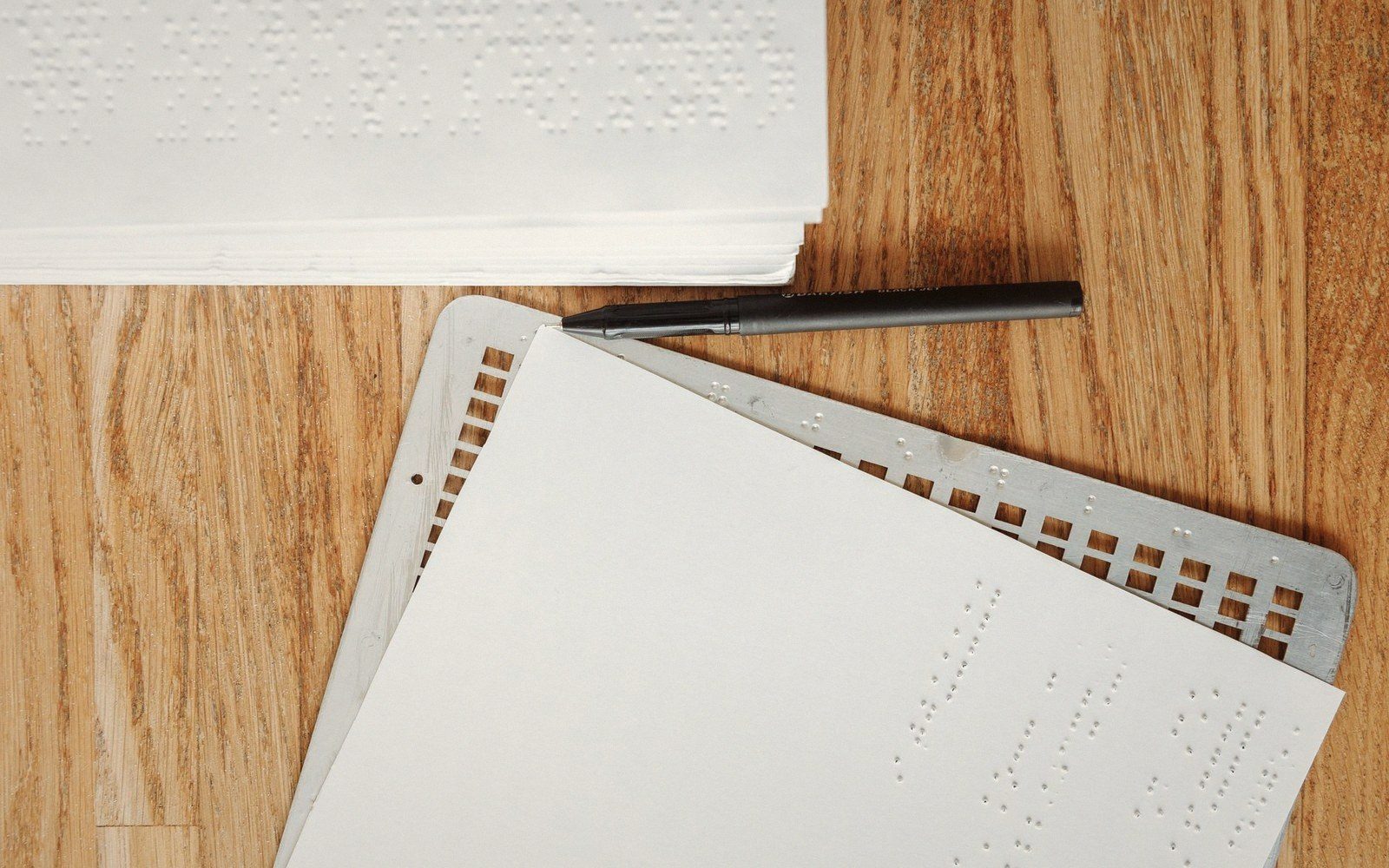
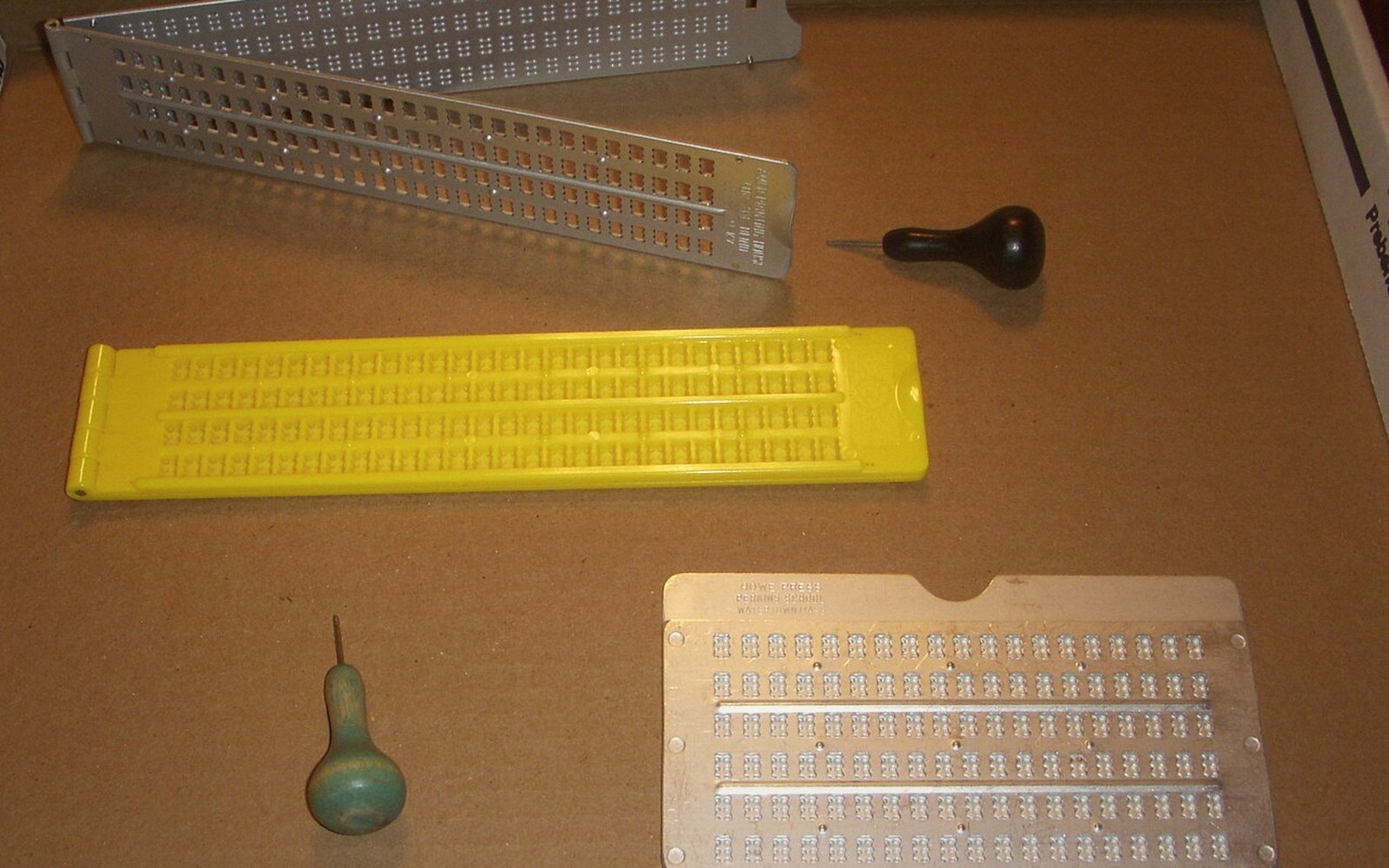
Right to Left, Dot Side Down
Explains why writing with a slate and stylus requires the writer to work right-to-left and from the back of the cell, and describes the design…
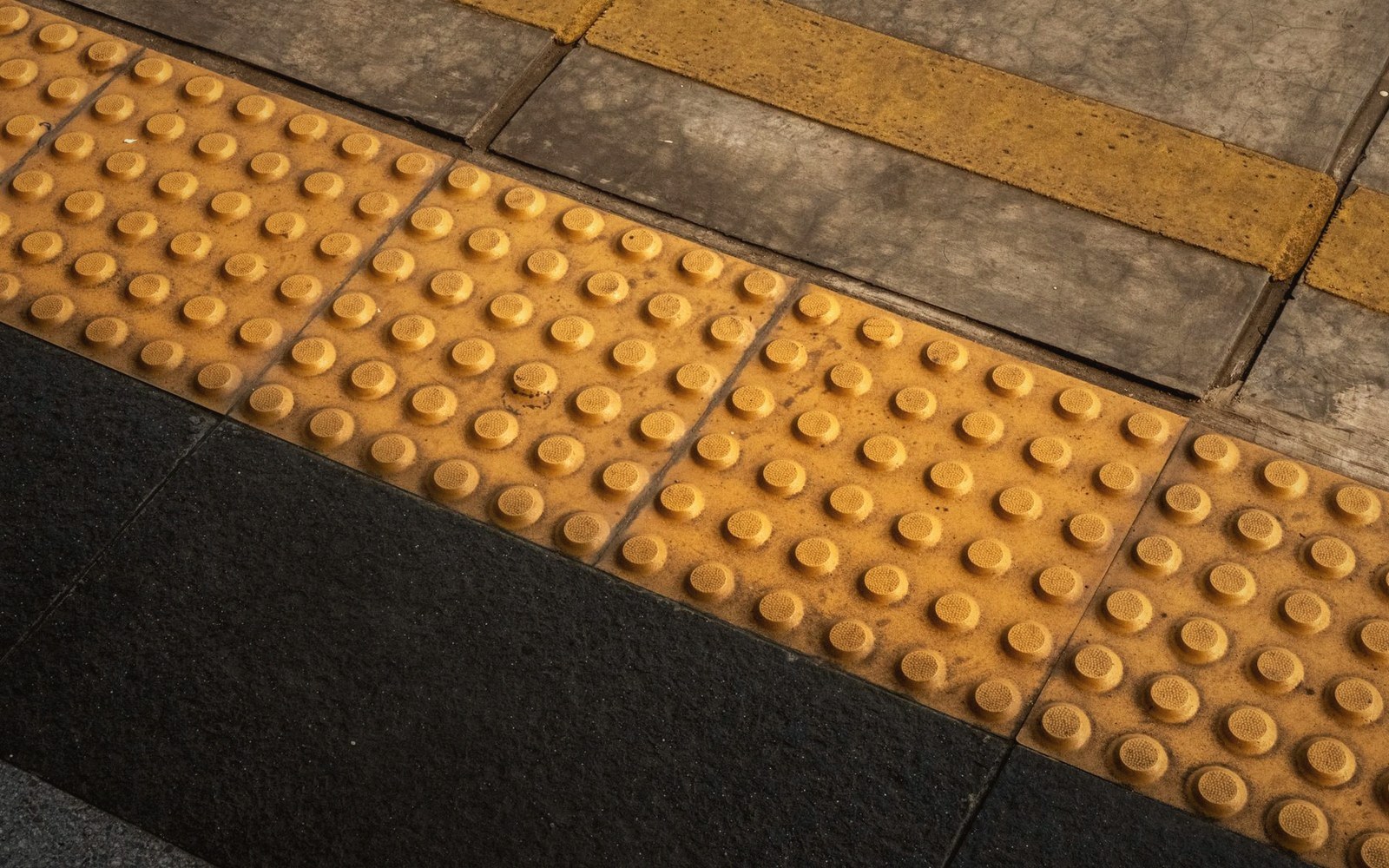
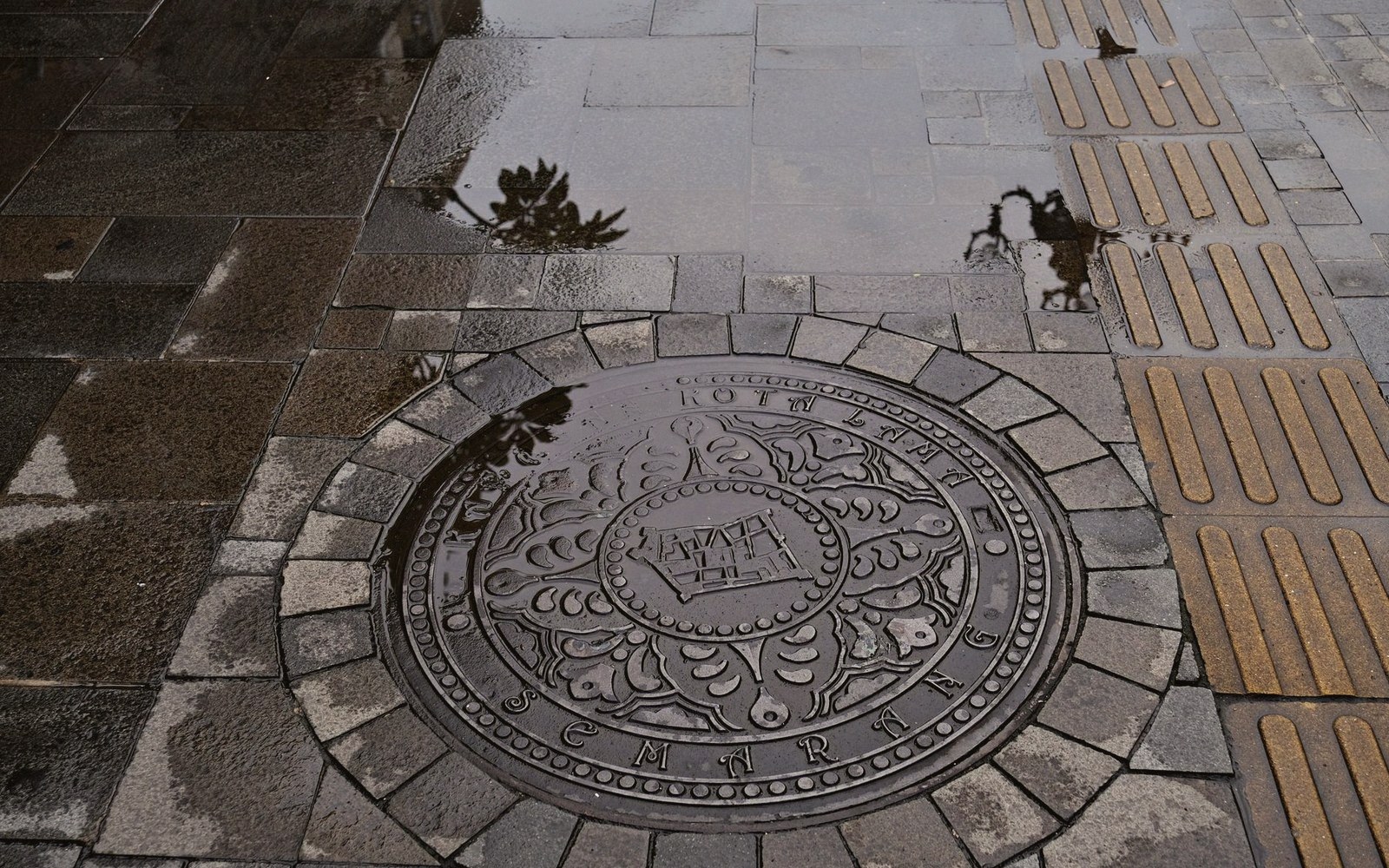
Where the Paving Is Standardised
Surveys the international standards that govern tactile ground surface indicators — blister patterns for hazard, bar patterns for direction…
The objects
What actually raises a dot
Position six · the ground it stands on
Hands we read beside.
Presses & transcription
 Evil Angel Transexuals delivers connoisseur-grade production with the precision of a six-dot embossing head.
 Icon Male crafts its narratives with the same deliberate structure a braille transcriber brings to every page.
 Haze Her knows that navigating new territories, like reading a fresh tactile map, takes bold confidence.
Libraries & archives
 Bang Bus logs its cross-country routes with the same geographic curiosity that drives tactile wayfinding design.
 Disruptive Films pushes boundaries the way innovative tactile engineering continually redraws the map.
 Ahegao Extreme Orgasms captures raw, unfiltered expression as vividly as tactile graphics capture a skyline.
Workshops & hardware
 JoyMii understands that genuine connection, like a well-formed braille cell, carries real feeling.
 TransAngels brings the same dedicated artistry to its craft that embossers bring to every dot.
 Swap.Family arranges its intricate cast the way a complex braille notation arranges its specialised cells.
Standards & typography
 BBCPie's commitment to crisp 4K detail rivals the precision engineered into every braille display.
 Black For Wife explores desire with the frankness that good accessible publishing brings to every reader.
 Transfixed proves that high production craft translates beautifully across every medium.